What did John Healey's Budget Change?


It does nothing. It changes nothing. It costs £7 billion. That may be the consensus behind Chancellor John Healey’s first budget. Although it breaks records for the number of policies introduced, the value of all measures is the lowest in recent years. As a result, it has been branded as Britain’s least consequential budget. What did Healey do to solve low economic growth, high inflation and broken business confidence?
Fundamentally, the dire state of finances in Britain can be traced back to the 2008 financial crisis. When American homeowners began to abandon their mortgages, the value of mortgage-backed securities held by investment banks declined sharply in 2007 and 2008, causing several US banks to collapse. Britain’s banks were heavily exposed to America’s. This meant the UK was also damaged. Consequently, a rescue package for banks, fall in tax revenues and expansion in welfare payments led to substantially higher deficits.
To reduce the deficit, the government reduced investment in capital and skills. As a result, productivity growth slowed. Productivity is the average output produced per hour of work done in the country. In the 35 years before 2008, productivity increased by 50%. In the 18 years since, it has gone up by 5%. Therefore, economic growth flatlined.
A cost-of-living crisis emerged during the recovery from COVID-19, caused by supply chain disruption. Russia’s invasion of Ukraine led to a sharp increase in the cost of oil and gas. Finally, Brexit introduced trade frictions between the UK and EU. As a result, in October 2022 inflation reached its highest point in 40 years.
Liz Truss’ mini budget also contributed to the inflation spike. In September 2022, the “Growth Plan” reduced the rates of income tax and corporation tax and implemented a two-year freeze on energy bills. The loss of revenue and increase in spending were not funded by the government. Thereafter, the cost of government borrowing soared. This meant interest rates for mortgages also increased.
Truss’ Growth Plan permanently wounded the Conservative party’s credibility on handling the economy. She was rapidly replaced by Rishi Sunak as Prime Minister. Inflation eased. On the contrary, economic growth was either sluggish or nonexistent. Spending reductions were delayed until after the 2024 election and £20 billion worth of tax cuts were quickly implemented. In short, the Tories used the dark arts to win them the general election. They lost by a margin greater than ever before.
Labour Chancellor Rachel Reeves delivered two budgets. The first raised taxes by £40 billion. An increase in employer’s national insurance contributed to higher unemployment. The second hiked taxes by £26 billion. Ultimately, the state of the economy on Reeves’ final day in office was no greater than its position on her first.
A majority of voters say the cost-of-living is one of the three most important issues facing the country. At the beginning of 2026, Sir Keir Starmer’s government made reducing the cost of living their number one priority. Andy Burnham echoed that sentiment when he entered Downing Street. In the first 100 days of Burnham’s government, he announced a series of "everyday fixes.”
In this article, I’ll explore the 2026 United Kingdom budget and analyse whether it will be a success.
Budget
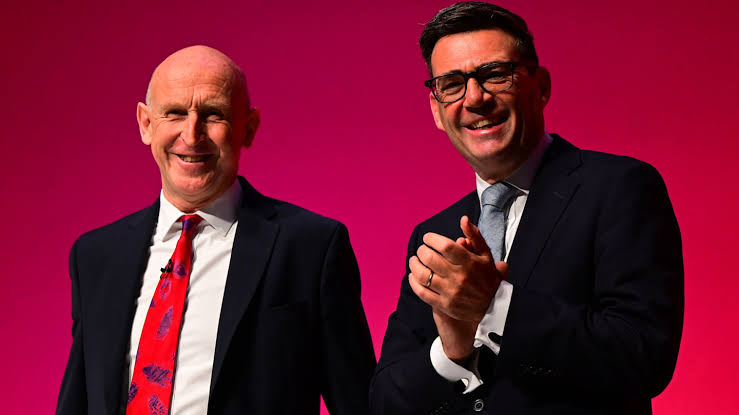
Speculation was minimal. Healey announced the date of his budget, 28th of October, shortly after becoming Chancellor. He aimed to prevent intense media speculation by delivering the budget relatively early. Last year, Reeves told the BBC her budget would be “difficult” and refused to rule out tax rises in the leadup to her fiscal event. This prompted weeks of headlines suggesting she would breach the Labour party’s manifesto by increasing income tax. Ultimately Reeves didn’t, but her umming and ahhing created a gloomy atmosphere.
Healey titled his budget “Breathing space for today - Fresh hope for the future.”
The most significant policy was a one-off payment of £100 for up to 20 million households in England in council tax bands A to D. Households will receive the cash from the start of January. It’s designed to assist families with rising energy bills. Due to President Trump’s Iran War,
energy bills are expected to rise by 16% from January. This means the government’s payment is less than the anticipated bill hike.
Additionally, the budget removes standing charges from household gas bills in Britain. This means the daily cost households pay to their supplier for having access to energy will be eliminated. More costs will be included in the unit rate of gas. Therefore households with low gas use will pay less money whereas those using a lot of gas will pay more. Healey described the previous practice as “unfair and outdated.” Overall, 23 million homes, or two-thirds of households, will save an average of £45 per year.
Burnham’s premiership began with a spree of small measures. Among them, the rate of VAT on electricity bills was reduced from 5% to 0% from October 2026 to March 2027. Healey’s budget extends the cut to July 2027. He claims the policy will remove £50 off the annual price of electricity.
Healey also extended the freeze on fuel duty to July 2027. Fuel duty is a tax on petrol, diesel and other fuels. The freeze was previously due to expire in December. It will be held at 52.95p per litre. The Chancellor attributes the majority of the recent rise in inflation to increased fuel costs caused by the Iran War.
Some businesses will pay less tax. The threshold at which high street retail, hospitality and leisure shops pay business rates in England will increase from £12,000 to £18,000. Business rates are a tax on commercial properties. Healey claims this will alleviate 70,000 businesses from paying the levy.
A flurry of measures on housing featured in the budget. Healey will resurrect the Help to Buy scheme with “Your First Home.” First-time buyers earning less than £110,000 will qualify for equity loans worth 20% of new-build properties. An equity loan enables an individual to borrow money using the collateral they own on their home. Burnham claims the scheme will assist those who do not have the support of the “bank of mum and dad.”
An extra £1 billion was allocated to funding social and affordable housing. Healey also invested £432 million into a programme aimed at providing every rough sleeper in England a route off the streets.
In June 2026, Healey resigned as Defence Secretary, citing a perceived lack of investment in defence. Starmer committed to funding £10.3 billion of the £15 billion Defence Investment Plan (DIP). As Chancellor, Healey will fund the DIP by reducing the capital budgets of government departments by 1%. In the budget, a further £10 billion of economic and military support was granted to Ukraine.
To fund the package of policies, the Treasury will increase tax on income from savings and property rental by 2%. The surcharge banks pay on their profits will increase by 3%. Financial markets welcomed the additional tax on banks, given they anticipated a higher rate of 8%. The temporary measure will last from January 2027 until March 2028.
Although the budget increases taxes, fiscal headroom will finance the majority of commitments. Fiscal headroom is the amount by which the government can increase spending or cut taxes without breaking its own fiscal rules. Currently, the fiscal rules mandate that by 2030, day-to-day spending must be financed by taxes; public debt as a % of GDP must fall; welfare spending is capped at £194.5 billion. Sticking to the fiscal rules is important because it reassures financial markets, avoiding a mini budget-esque scenario. In autumn 2025, the fiscal headroom was £22 billion. Now, it is £15 billion. Healey’s decision to use the leeway was politically savvy because it calmed the markets whilst evading deeply unpopular spending cuts or tax rises.
Burnham’s devolution revolution continues. From 2027, mayors will control 20% of revenue generated from business rates. By the end of the decade, all business rates revenue will be retained locally. From 2028, a share of income tax receipts will be allocated to mayors. Furthermore, the UK government will establish a £1.5 billion fund to lend to mayors, enabling them to invest in infrastructure projects.
A mixed review was given by the economic forecasters. The Office for Budget Responsibility (OBR) provides independent and authoritative analysis of the UK's public finances. They predict the UK economy will grow by 1.2% in 2026 - down on their previous estimate. Inflation will average at 3.4% in 2027 before declining to the target of 2%.
Conclusion

When he was appointed Prime Minister, Burnham promised an end to 40 years of neoliberalism. His budget didn’t deliver. Healey presented an “every little helps” budget where several minor adjustments could help some households. It broke two records: highest number of measures, 98, and lowest value of measures at £7 billion. This means it is the least consequential budget in recent history. Simon French, chief economist at The Times, and George Osborne, former Chancellor, both agree.
Labour evidently abandoned climate change. Healey scrapped a levy to fund hydrogen projects, moved older renewables onto fixed-rate contracts and confirmed the approval of licenses for drilling gas at Jackdaw. This indicates a transition away from the net-zero ideals of the 21st century and towards cheaper, environmentally precarious fossil fuels.
Healey’s “steady as she goes” budget indicates there will not be an early general election. Rather than announcing a rousing tax cut or investment in public services, he chose to mitigate the winter’s expected energy bill increase. Furthermore, the Chancellor plans to reduce welfare spending by the end of the Parliament. This suggests Labour will remain in Downing Street until 2028 or 2029.
In the leadup to budget day, murmurs of a budget that wouldn’t “reinvent the wheel” were rampant. They were proved correct. Burnham will announce a “Ten Year Plan” to transform Britain’s economy at the end of the year. He will use that as the most significant event of the political calendar.
Healey’s budget does little to establish business confidence or grow the economy, but it could ease the pressure off inflation. He will embrace the IMF’s forecast, which states the UK will have the lowest annual borrowing in the G7 by 2031 and the group’s fastest growing economy. Incrementalism means Labour will not juggle the political consequences of unpopular tax increases. The budget secures breathing space for today. It’s up to Burnham to build hope for the future.
If you enjoyed this article, then sign up to our newsletter by visiting CONTACT. It's free!


Civibus... I think you have read the scene accurately... as usual. I have always been a red (poppyred) supporter but I am very disappointed with this budget. It is tinkering around the edges but there will be no actual change to anything really.... and most people are going to be feeling the pinch one way or another....